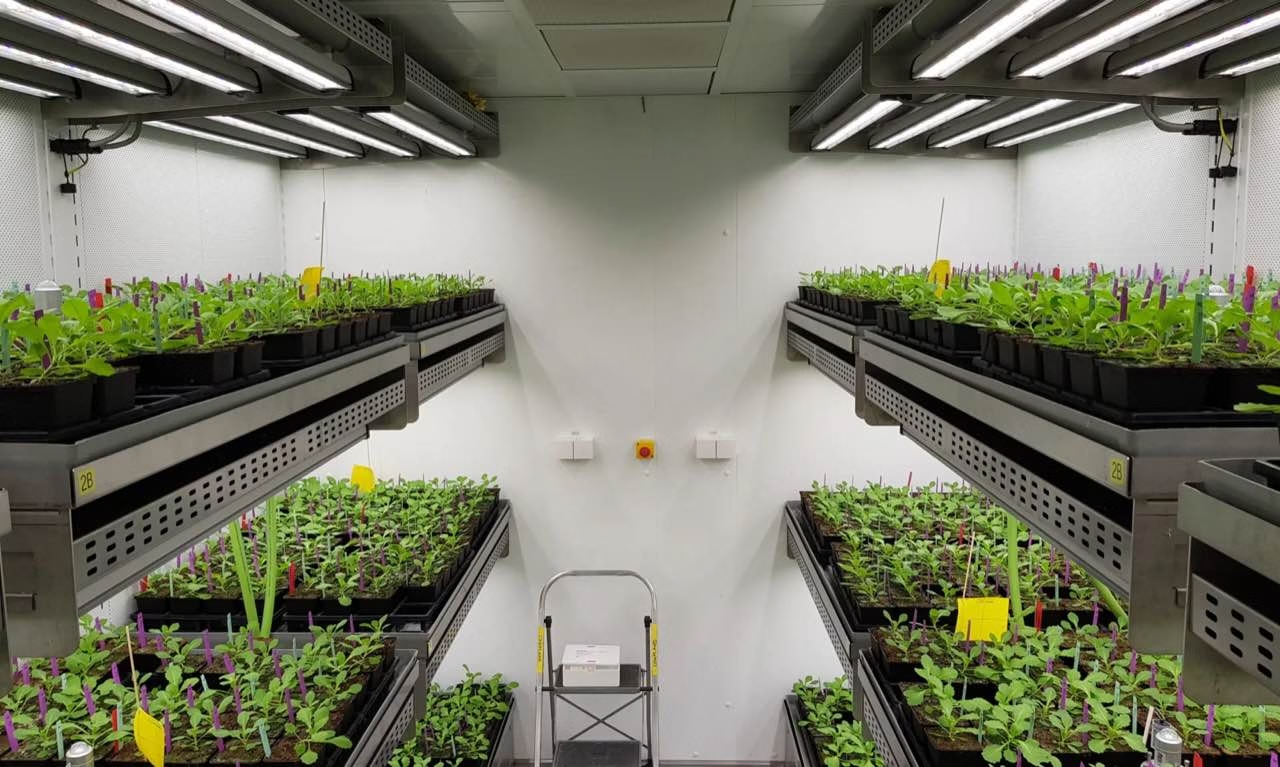

Build a comparable climate chamber tender brief with clear operating conditions, scope, acceptance checks and site requirements.
Describe the intended use
Explain the research application, sample or plant material and experimental layout. List the conditions that must be controlled and the measurements the user needs. Separate essential requirements from preferences so suppliers can identify a compliant configuration or explain where an alternative differs. Avoid describing the project solely by a model name or nominal chamber volume.
Define performance under stated conditions
Specify the required operating combinations, cycles and expected load. Identify the measurement locations, room conditions and lights-on or lights-off state relevant to each test. Ask suppliers to state the conditions and limitations attached to quoted values. Where tolerances or uniformity matter, describe the agreed measurement method instead of leaving the acceptance interpretation open.
Make responsibilities visible
- Usable growing area, clear height, shelf or bench arrangement and access requirements.
- Utilities, delivery route, building works and responsibilities for connections.
- Lighting spectrum, intensity, measurement plane and control schedule.
- Required alarms, data records, interfaces and access permissions.
- Commissioning, acceptance tests, training, manuals and service scope.
- Any documentation or qualification requirements that the purchaser’s quality system specifies.
Agree how offers will be compared
Request a requirement-by-requirement response, including assumptions and exclusions. Ask for drawings that show the proposed working layout. Identify which tests will take place before delivery, which will take place on site, and who approves the results. Keep optional equipment and services separately identifiable so scope differences do not become hidden price differences.
Plan for a long procurement cycle
A tender may be developed well before an order is placed. Keep a revision number and date on the brief, record clarifications, and confirm what has changed before the final award. Recheck the proposed configuration, interfaces, site conditions, commercial validity and delivery assumptions with the supplier. A preliminary discussion should not be treated as a permanently valid quotation.
Prepare the first discussion
Send your protocol, layout constraints and intended acceptance approach. The chamber selection guide helps assemble the initial brief; the Projects page shows examples of equipment configurations.
Explore the cabinet range, walk-in climate rooms and research lighting, or discuss your requirements with Bronson Climate.